Skip to content
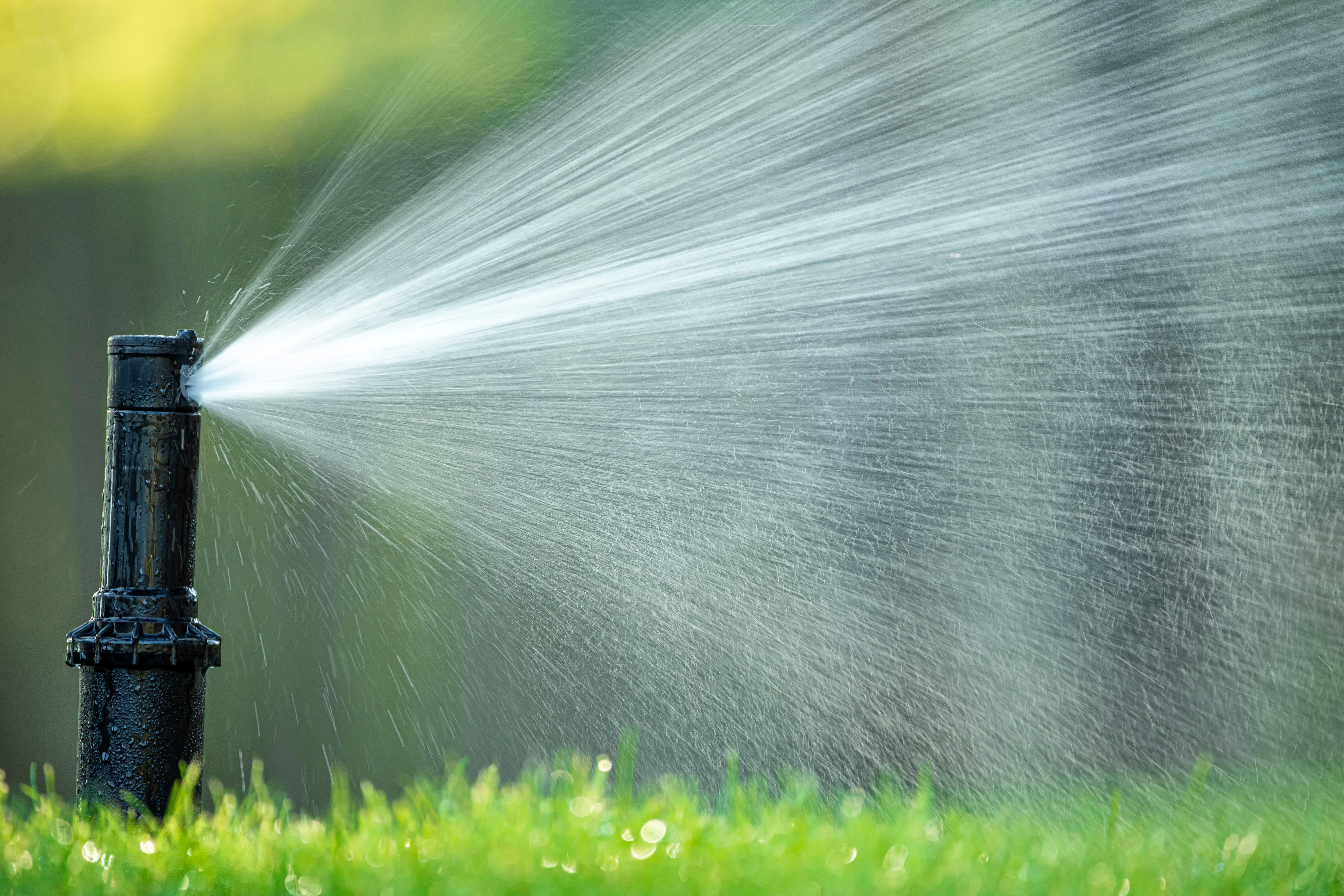
Irrigation water spray
Project Irrigation

Smart Irrigation

Leo Townsend
Leo Townsend

Improving consistency, marketable yield, and water use efficiency in high value crops

Irrigation is a major cost and a vital resource for high-value irrigated crops such as potatoes and onions. Field trials and modelling have shown that most within-field yield variation arises not from soil texture, but from non-uniform irrigation distribution that fails to match spatial/temporal variations in crop canopy and water demand.

Conventional hose-reel systems aim to apply a uniform rate across heterogeneous soils, leading to over-watering on heavier, more water-retentive and slower-draining areas and under-watering on sandier soils, wasting water, energy and yield potential.

The ADOPT-funded project will test and trial on-farm new variable rate irrigtation (VRI)  methods that have not yet been commercially adopted in UK field crops.

Building on earlier Defra-funded research (HortLINK HL0196 and FV 363) and recent Cranfield modelling, the trial will adapt and evaluate a practical, low-cost precision irrigation approach suited to hose-reel booms, as well as testing with rain-gun.

15%
Under- or over-watering leads to
10 – 20%
Yield reductions
20 – 25%
Potential water and energy savings from VRI
Potato 1

Focus Crop: Potatoes

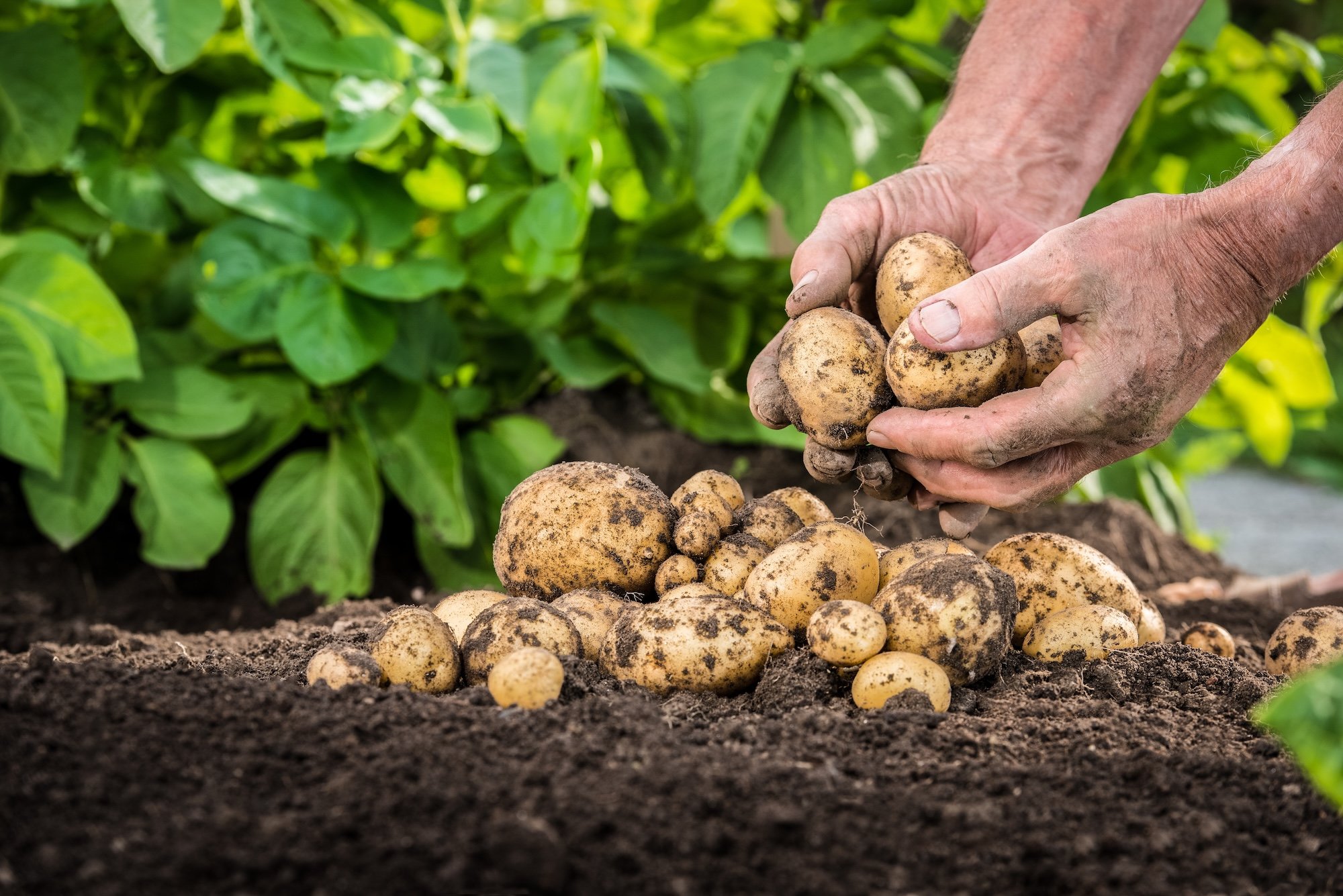
Irrigation is a major cost and vital resource in potato crops, especially with hotter and drier summers becoming more common.

Focus Crop – Onions

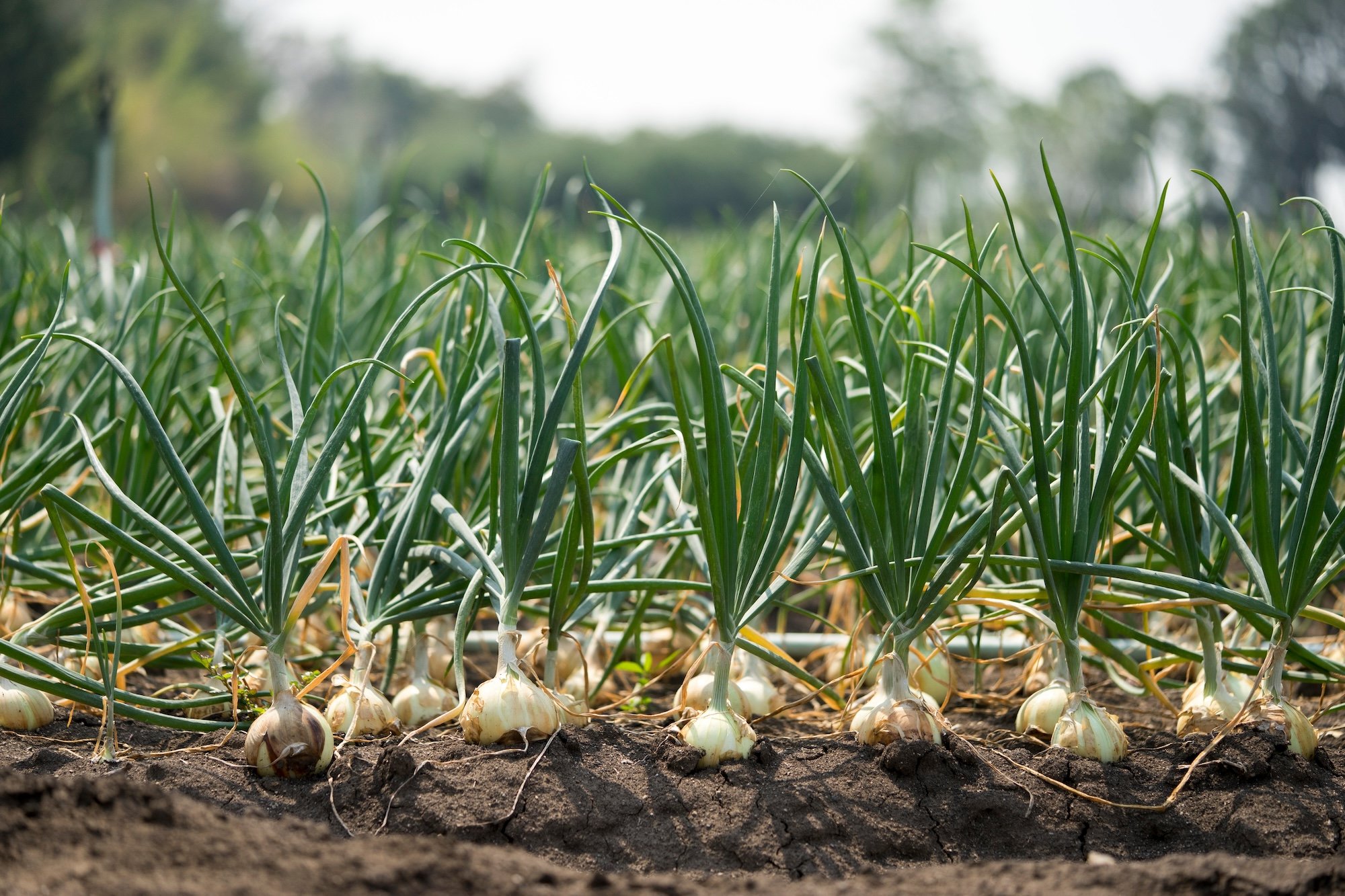
Focus Crop: Onions

Water stress can be particularly damaging to early season crops.

Defra Innovate logo

Who is involved?

ADOPT funding is supporting work from the following project partners:

  • Elveden Estates – Andrew Blenkiron & Nick Scantlebury
  • Waldersley Farms – Jack Smith
  • ScientiAg Internation – Kiryon Skippen
  • Mark Stalham Potato Consultancy
  • Cranfield University – Jerry Knox
  • Water Resources East – Teresa Meadows
  • Soil Essentials

Trial activities

With more data, do we manage irrigation differently?

The project brings together two major irrigated farms to test smart irrigation system. Using existing soil electrical conductivity scans, moisture sensors, weather data, satellite canopy imagery, and precision irrigation control systems (e.g. Raindancer), the trial will design and evaluate methods to deliver variable rate irrigation tailored to soil type, crop growth stage, market requirements and weather conditions. This involves using data on soils, crop growth, and weather, combined with advanced irrigation control systems, to apply the correct amount at pixel level to match application equipment technology, rather than field scale.

Over two seasons, irrigation runs will be compared across commercial onion and potato fields operating on different soil types, measuring yield, quality, water use, and energy efficiency.

The system will vary irrigation by runs and at sub-field resolution (20–30 m pixels) in response to real-time crop canopy (Kc) and soil data, captured from satellite data, UAV or fixed sensors and integrated through an irrigation management platform. Trials will measure effects on water use, yield, quality and uniformity under commercial operating conditions, validating modelled benefits from past studies that predicted 20–25% water and energy savings and improved water productivity (£ per m³ applied).
The aim is to demonstrate clear economic benefits of smart irrigation to farmers, alongside improved resilience in the face of climate variability and tighter abstraction regulation.

Share this post