
Removing limitations to yield in long-term no-till
After making the move to no-till, several farmers have reported gains in soil health, structure and biology but, crucially, stagnant or falling crop yields. This ADOPT-funded project aims to understand why and develop remedial measures to help farmers achieve yield improvements in no-till systems. There are a plethora of potential reasons for yields not improving including:
- Nutrient lock-up by soil biology
- Subsoil compaction
- Nutrient stratification
- Acidification or calcite layers
- Poor root-soil contact from insufficient consolidation
- Adverse soil biology
- Soil-borne disease pressure
- Herbicide residues
- Phytotoxin build-up
What are we testing?
Experienced regenerative farmers and researchers will test how to overcome yield limitations.
The solutions we will trial on-farm include:
-
Consolidation treatments such as rolling post-drilling
-
Light cultivations to mix soil near the surface to remove any acidic, calcite or nutrient deficient layers
-
Nutrient amendments including higher nitrogen rates and targeted liming or gypsum
While these are not new practices in themselves, their targeted use in long-term no-till systems to overcome specific challenges is not well understood or widely implemented.
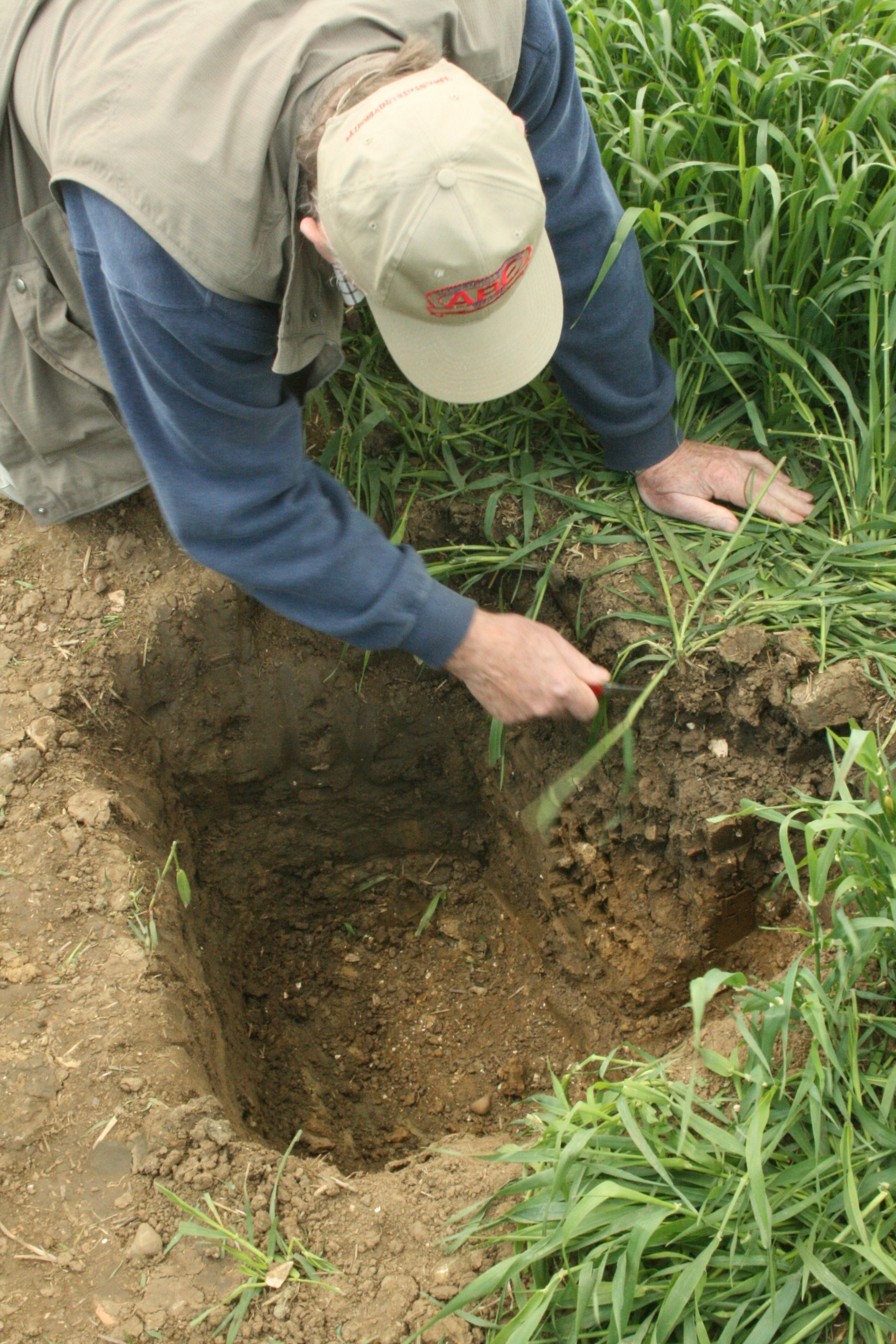
Alongside these trials, we will test novel technologies for measuring soil and crop conditions, including microbiome profiling, multielement nutrient availability testing (Mehlich3) and liquid chromatography mass spectrometry — as well as simple methods like penetrometers, shear force meters, pH and soil tests that are not widely adopted but could be.
Who is involved?
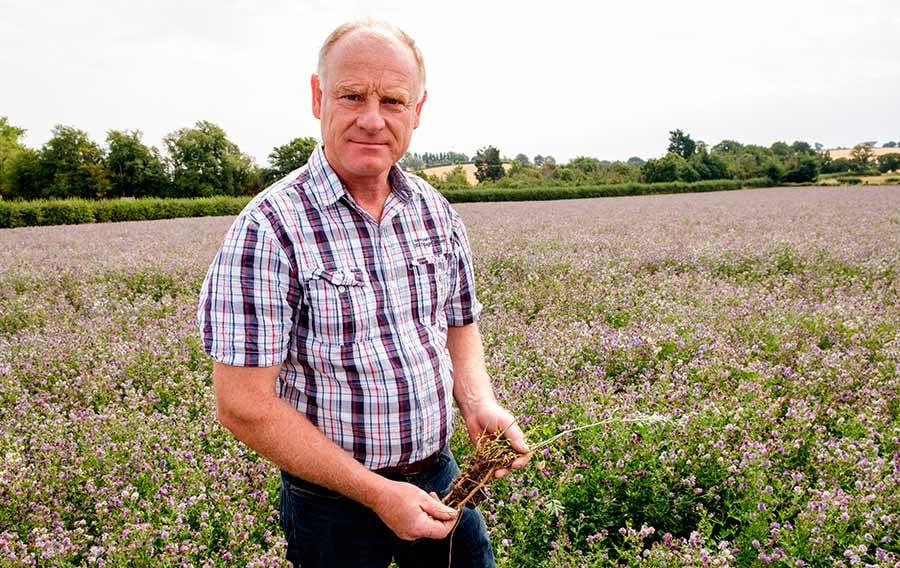
Lead farmer – Simon Cowell
Farming 400 acres in Essex. Simon is one of the original pioneers on no-till farming in the UK. He takes a keen interest in soil biology.
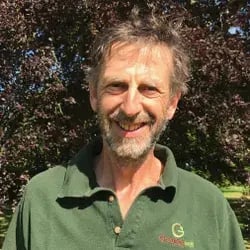
John Cherry
Farming 750ha of arable land and founder of the Groundswell event, John is keen to understand the long-term effects on no-till.
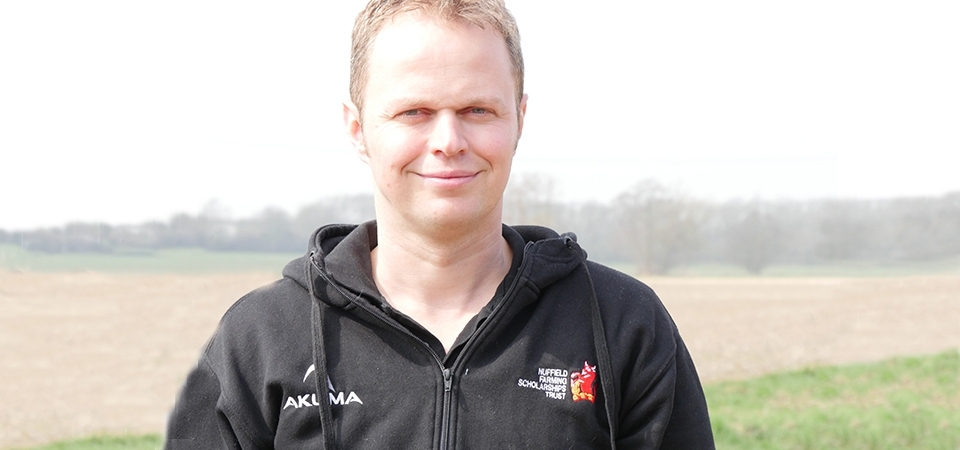
Andrew Howard
Director of Bockhanger Farm Ltd in Kent. The 300-hectare arable farm integrates solar energy, diverse crop rotations, intercropping, and no-till.
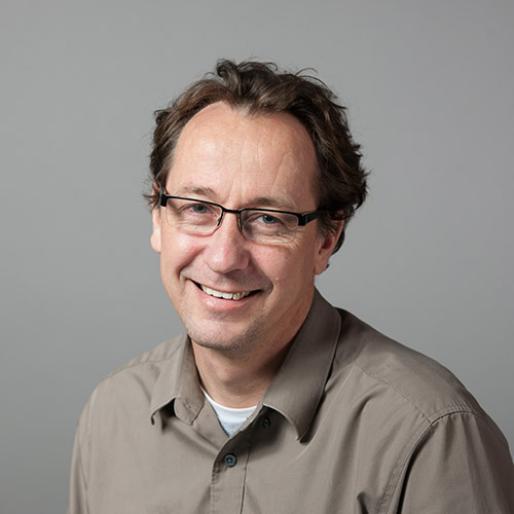
Dr. Stephan Haefele (Rothamsted Research)
Heading up the Soil Health and Management department at Rothamsted Research, Stephan brings his expertise to the project.
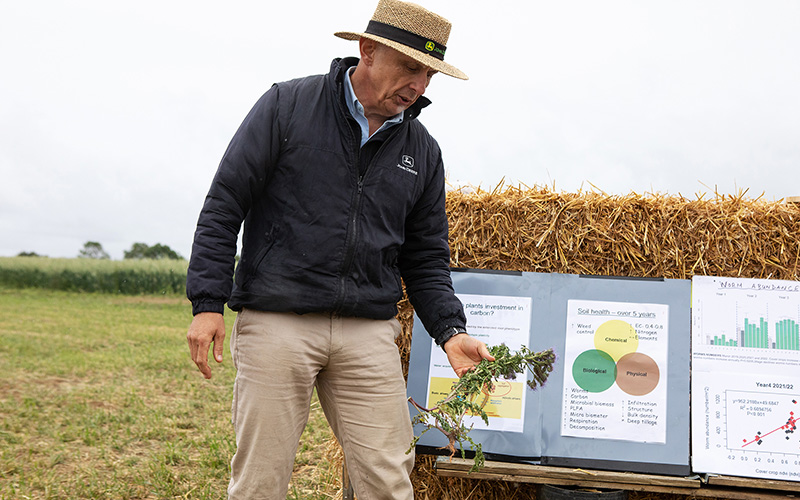
Dr. David Purdy
Respected soil scientist and independent consultant. Having nearly 30 years of practical on-farm experience with John Deere alongside a PhD in soil and plant interactions from Nottingham University in 2017.