
Lead farm – Will Grant of JW Grant Co.
Lincolnshire arable farm cropping 2,200 acres of wheat, sugar beet, oats, and oilseed rape. Experienced in hosting trials and soil carbon projects.
Strict regulations under NVZ rules and the Farming Rules for Water limit spreading periods, require large storage capacity, and demand nutrient planning. Raw manure can cause nutrient losses, weed spread, and pathogen risks, while also creating compliance headaches.
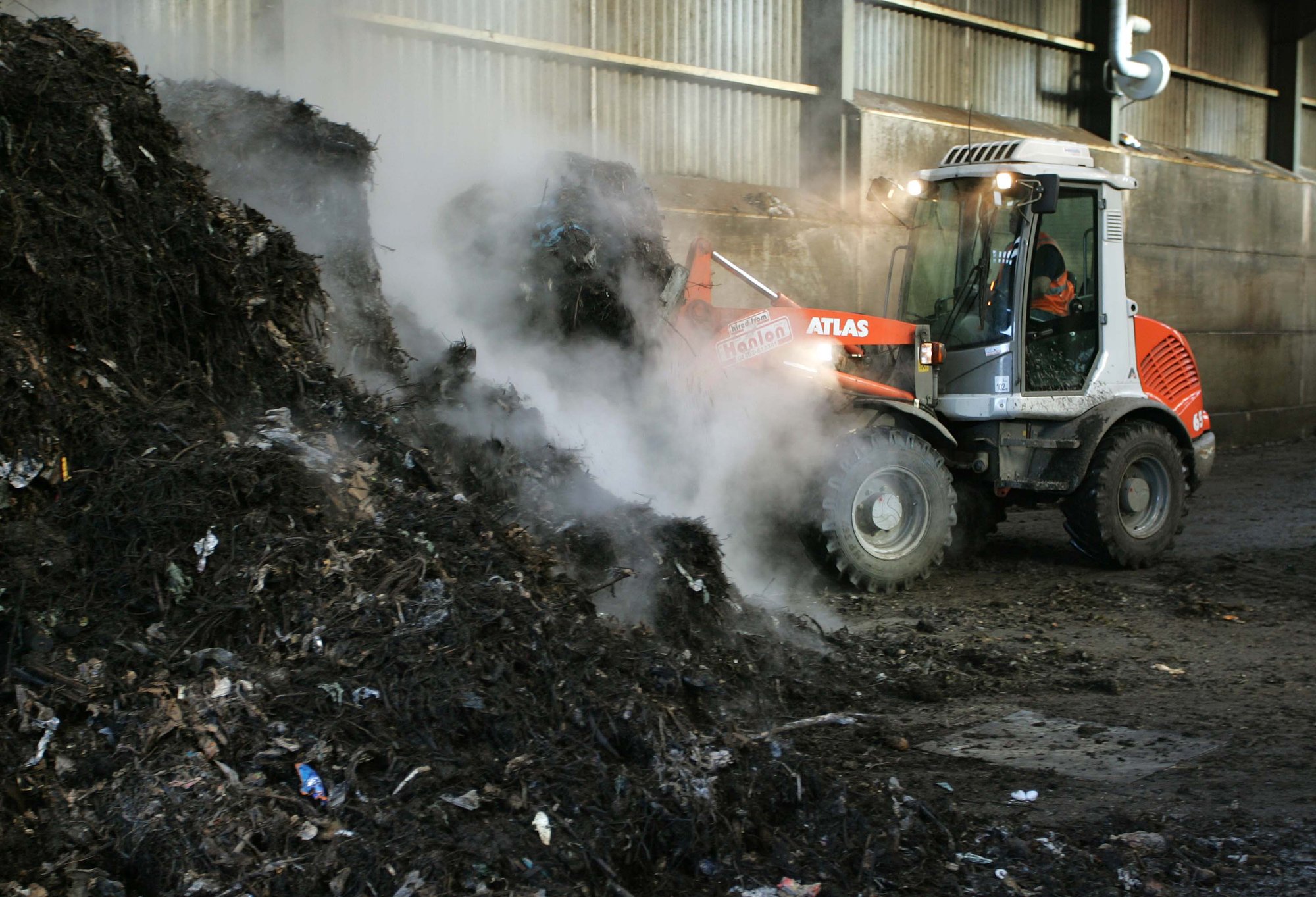
Composting offers a better way—stabilising nutrients, reducing volume, improving soil health, and cutting emissions. But uptake in the UK is low because suitable machinery is either too expensive or too slow. This project will trial a new British-built, high-capacity compost turner designed to process 50% more material than comparable machines, with fewer moving parts and legal highway mobility. Alongside machinery testing, a 24-month field trial will compare compost against raw manure application to assess economic, agronomic, and environmental benefits.
Crop yields and soil health, structure and biology.
Synthetic fertilser use and emssions, and spreading costs versus raw manure.
Farm resilience to input price volatility and climate extremes.
Net Zero goals through carbon sequestration and reduced ammonia losses.
Lincolnshire arable farm cropping 2,200 acres of wheat, sugar beet, oats, and oilseed rape. Experienced in hosting trials and soil carbon projects.
Supplies consistent raw manure for composting trials. In a regular muck-for-straw agreement with With Grant.
Brings 20 years of composting expertise, guiding best practice and quality control, and assisting design of the compost turner.

Composting solves many of these issues—but farmers need affordable, high-throughput equipment and evidence that composting pays off.